
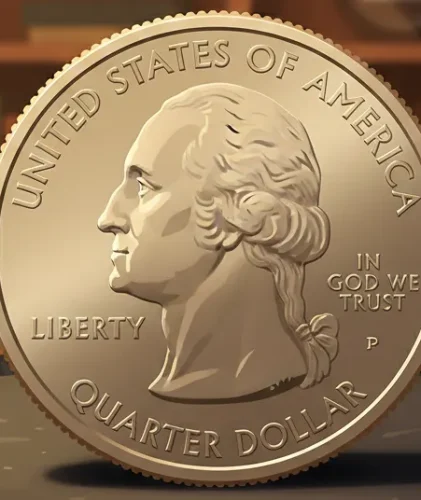
Collecting coins gets deeper when a collector starts finding not only different years of issue but also small varieties, these differences showing up because the mint used slightly different stamping dies.
These differences are often tiny, sometimes hard to see without a magnifying glass, still having much meaning for the coin’s price and its scarcity, certain dies working only for a short time, the coins produced with them appearing rarely in daily use.
Beginning coin collectors need a free coin scanner to focus on these small features, discovering the pathway to finding a rare variety, as these coins often hold high value for collectors.
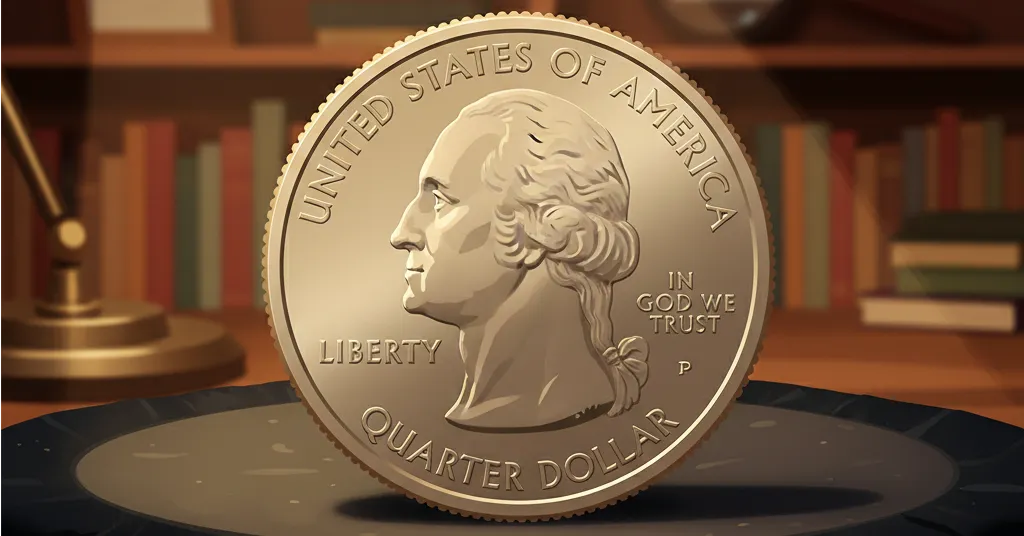
Coins can have varieties in three main areas: the field elements like the design, numbers, letters, the rim, and the side thickness of the coin, each area demanding careful inspection.
| Check Element | Where to Look for Differences | Possible Variety Type |
| Lettering/Font | Words, date, coin value | Letter thickness, serifs present or absent, space between symbols |
| Rim | Outer raised border of the coin | Width, height, shape |
| Edge | Side surface of the coin | Number of reeds, presence of words, word placement |
| Picture | Coat of arms, wheat, stars | Number of small parts, shape of elements, and location of the mint mark |
Differences in Fonts and Pictures
Differences in letters or numbers and small changes in the picture are the most common reasons for varieties, studying them requiring a good knowledge of the standard coin, any change quickly catching the collector’s eye.
- The thickness of letters and numbers, the symbols being thin or wide, show up clearly when comparing two coins minted in the same year but with different dies, the thin letters looking cleaner, the thick letters looking heavier.
The presence or absence of serifs, these being small horizontal or vertical lines at the ends of the main lines of letters or numbers, is clearly visible or completely missing, suggesting the use of another font set.
- The size and place of the mint mark, the mark being a small letter or symbol under or near the date, sometimes being moved up, down, or sideways from the center, the shift pointing to the engraver’s handwork.
The shape and drawing of small picture parts, such as the number of kernels or beards on stalks of wheat, the number of rays on a star, or the shape of leaves and berries on a shield, even one extra line or a missing dot, make the coin a special variety.
- The distance between elements, the letters in a word or the numbers in the date, standing close or far from each other, this needs a ruler or exact comparison with known good examples, the spacing acting as a sign of the specific die used.
Finding font varieties often requires using special catalogs, these books showing charts or close-up photos, helping the collector find a small detail, making their coin valuable.
The Role of the Rim
The rim, the raised edge around the coin’s perimeter, protects the surface from wear during use and makes the coin strong, yet its shape can also be a spot for finding varieties. Rims are formed with special tools and can look different.
- The width of the rim, the rim appearing narrow, thin, or almost not noticeable, or instead being wide and heavy, this being easy to see but needing precision for classifying it with a coin appraisal app, the size difference sometimes being less than a millimeter.
The height of the rim, the rim being low, hardly rising above the coin’s surface, or tall, surely protecting the raised design, the taller rim better keeping the coin safe during use, its height decided by the minting press settings.
The shape of the rim, the rim being flat and smooth or having a sloped, rounded edge, also acts as a sign of the used die, becoming one of the essential parts for identifying a coin’s specific variety.
The distance of the rim from the design, the rim standing far from the design or pressing close to it, sometimes even touching the edge of the picture or lettering.
Sometimes coins show a “double rim,” which happens because of a shift in the die or a production error, the rim looking like two lines close together, always a wanted error for collectors; this strongly increases the coin’s value.
Edge Varieties
The edge is the side surface of the coin, its look often giving an extra layer of protection against fake coins, also being a place where meaningful varieties show up, these differences not relating to the picture on the front or back side.
- A plain edge, the side surface having no lines or words, this being common for some small change coins, its varieties only relating to the coin’s thickness.
- A reeded or milled edge, the edge having vertical lines, the differences sometimes showing up in the number of these lines on one edge, this becomes an important sign for finding a variety, and also in how deep and clear the lines are.
Lettering on the edge, the side of the coin having a printed word or sentence, the varieties showing in the different fonts of the lettering, its placement (for example, the edge facing up or down compared to the front side), or the presence of dots and punctuation marks, these sometimes being missing or extra.
A patterned edge, the edge having a repeating geometric design, the varieties sometimes coming from a small change in this design, for example, one of the stars being a bit smaller or having a different number of rays.
Checking the edge is necessary, as this area is the hardest to fake when making counterfeit coins; the edge often proves the coin is a rare variety.
Comparing and Classifying
Finding a coin variety always means comparing the coin being studied with a standard example, which requires the right tools and reference books ready to use.
- Always use a ten-power magnifying glass or a coin worth app, clearly seeing all the small details invisible to the naked eye, good light also playing a strong role, helping the raised design and shadows stand out.
- You should have several catalogs, different authors sometimes sorting varieties in different ways or finding ones missed by others, the catalogs needing to be as new as possible.
- Place two coins from the same year side-by-side, first check their edges, then their rims, and then move to the letters and pictures, using the magnifying glass for every element, making sure you do not miss any difference.
Remembering this is crucial, even if you find differences; this does not always mean you hold a rare coin, because there are what people call production tolerances, which are allowed differences in the minting process, not becoming separate varieties.